The Pleasure Gap: Why It Exists and How to Close It
The pleasure gap is the well-documented disparity in orgasm frequency between men and women during heterosexual partnered sex. While men reach orgasm approximately 95% of the time, women orgasm only about 65% of the time—and in casual encounters, that number drops to around 40%. But here's what the research makes clear: this gap isn't biological. It's the result of how we've been taught to think about and practice sex.
The good news? Understanding why the pleasure gap exists is the first step toward closing it. This guide examines the research, explores the root causes, and offers practical strategies for more equitable, satisfying intimate experiences.
The Numbers: What Research Tells Us
The pleasure gap isn't speculation—it's backed by extensive research. A landmark 2017 study published in the Archives of Sexual Behavior surveyed over 52,000 adults and found striking disparities:
- Heterosexual men: orgasm 95% of the time
- Gay men: orgasm 89% of the time
- Bisexual men: orgasm 88% of the time
- Lesbian women: orgasm 86% of the time
- Bisexual women: orgasm 66% of the time
- Heterosexual women: orgasm 65% of the time
These numbers reveal something crucial: women in same-sex relationships orgasm at rates comparable to men. This strongly suggests the gap isn't about female bodies being less capable of pleasure—it's about how heterosexual sex is typically practiced.
Further research supports this conclusion. Studies show that women reliably orgasm during masturbation, often in under four minutes. The capability is clearly there. What differs is the context.
Historical and Cultural Context
To understand the pleasure gap, we need to look at how attitudes toward female sexuality have evolved—and how slowly some beliefs have changed.
A History of Dismissal
For centuries, female pleasure was either misunderstood, medicalized, or ignored entirely. Victorian-era physicians diagnosed sexual frustration in women as "hysteria" and prescribed medical treatment. The clitoris, despite being the primary organ of female pleasure, was largely absent from medical textbooks until recently—and many anatomy diagrams still underrepresent it.
Meanwhile, cultural narratives positioned female sexuality as passive and receptive. Women were taught that "good" sex meant satisfying their partners; their own pleasure was secondary, optional, or even suspicious.
The Penetration-Centric Script
Much of heterosexual sex follows a predictable script: some foreplay, then penetrative intercourse, ending when the man orgasms. This script is so normalized that many people don't question it—but it's fundamentally misaligned with female anatomy.
Research consistently shows that clitoral stimulation—not vaginal penetration—is how most women reach orgasm. Only about 18-25% of women can orgasm from penetration alone. Yet the dominant sexual script centers penetration and often minimizes or rushes through the clitoral stimulation that most women need.
Root Causes of the Pleasure Gap
Inadequate Sex Education
Most sex education focuses on reproduction and disease prevention, not pleasure. Many women grow up without accurate information about their own anatomy—the internal structure of the clitoris, for example, wasn't fully mapped until 1998. When we don't understand how female pleasure works, we can't effectively pursue it.
Prioritizing Male Orgasm
The penetration-centric script described above treats male orgasm as the goal and endpoint of sex. Female orgasm becomes a "nice to have" rather than an expected part of the experience. This framing is so pervasive that many heterosexual couples don't even notice it.
Communication Barriers
Many women feel uncomfortable asking for what they need sexually—whether due to socialization, fear of hurting a partner's feelings, or simply not knowing what to ask for. Meanwhile, partners may assume that what works for them also works for women, without seeking input.
The "Orgasm Gap" in Hookups
The pleasure gap widens significantly in casual encounters. Research from NYU sociologist Paula England found that in first-time hookups, women orgasm only about 40% of the time compared to 80% for men. This suggests that familiarity, communication, and investment in a partner's pleasure all play important roles.
Faking It
Studies suggest that between 50-70% of women have faked an orgasm at some point. While understandable as a social strategy, faking reinforces the pleasure gap by signaling that the current approach is working when it isn't, preventing course correction.
Practical Steps to Close the Gap
Closing the pleasure gap requires both individual action and broader cultural shifts. Here's what research suggests actually works:
1. Prioritize Clitoral Stimulation
Since most women require clitoral stimulation to orgasm, make it a central part of sexual encounters rather than optional foreplay. This might mean:
- Extended manual or oral stimulation before penetration
- Incorporating clitoral stimulation during intercourse
- Using positions that facilitate clitoral contact
- Introducing vibrators or other toys designed for clitoral stimulation
2. Communicate Openly
Partners can't read minds. Talking about what feels good—before, during, and after sex—dramatically improves outcomes. The women in the 2017 study who reported the highest orgasm rates also reported:
- Asking for what they wanted in bed
- Praising partners for things that felt good
- Incorporating sexy talk or dirty talk
If talking feels awkward, start small. A simple "that feels amazing" or "I love when you..." can open the door to more communication. For guidance, see our article on talking to your partner about pleasure.
3. Extend the Encounter
Women, on average, take longer to reach orgasm than men. Longer sexual encounters that include varied stimulation are associated with higher female orgasm rates. This doesn't mean marathon sessions—it means not rushing to penetration and not ending the encounter the moment one partner finishes.
4. Rethink the Script
What if penetration wasn't the main event? What if mutual pleasure was the goal rather than male orgasm? Couples who move away from penetration-centric scripts report higher satisfaction for both partners. Sex can include any combination of activities—the order and emphasis are up to you.
5. Know Yourself First
Women who masturbate regularly have higher orgasm rates with partners. Self-exploration teaches you what your body responds to, making it easier to guide a partner. Understanding your own anatomy and pleasure patterns is foundational.
6. Use Helpful Products
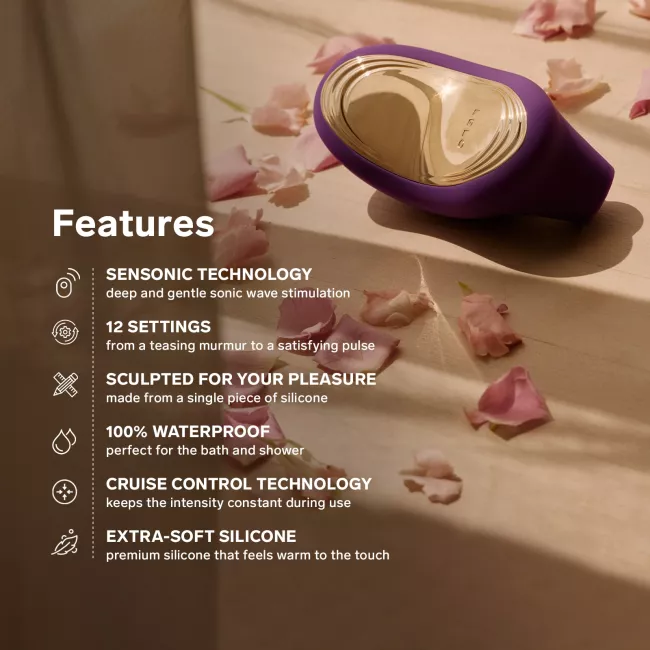
Lubricants reduce friction and increase sensation. Vibrators provide consistent, reliable stimulation that many women find helpful. There's no shame in using tools that work—products like the Lelo Sona 2 are specifically designed with female pleasure in mind.
The Partner's Role
Closing the pleasure gap isn't solely women's responsibility. Partners play a crucial role:
- Ask questions: "What do you like?" "Does this feel good?" "What would make this better?"
- Pay attention: Notice responses and adjust accordingly
- Don't assume: What worked with previous partners may not apply
- Prioritize her pleasure: Make her orgasm a goal, not an afterthought
- Stay engaged after your orgasm: If you finish first, don't stop the encounter
- Welcome feedback: React positively when she tells you what she needs
Beyond Orgasm: Redefining Good Sex
While closing the orgasm gap matters, it's worth questioning why we measure sexual success by orgasm alone. Some researchers worry that obsessive focus on orgasm creates its own pressure, which can paradoxically inhibit arousal.
Perhaps the ultimate goal isn't orgasm equity but pleasure equity—encounters where both partners feel satisfied, connected, and valued, whatever that looks like for them. Orgasm is one marker of that, but not the only one.
That said, the current disparity isn't about different preferences—research shows most women want to orgasm during partnered sex and feel disappointed when they don't. The gap represents unmet desires, not different goals.
Moving Forward
The pleasure gap isn't inevitable. It's the product of cultural scripts, inadequate education, and behavioral patterns that can all be changed. Every couple that communicates openly, every woman who prioritizes her pleasure, every partner who takes time to learn what works—each contributes to closing the gap.
You deserve sexual experiences that work for you. The research is clear: that's entirely achievable. It just requires rejecting outdated scripts and building something better in their place.
Frequently Asked Questions
What is the pleasure gap?
The pleasure gap refers to the disparity in orgasm frequency between men and women during partnered sexual encounters. Research shows that in heterosexual encounters, men orgasm approximately 95% of the time while women orgasm only about 65% of the time.
Why does the pleasure gap exist?
The pleasure gap exists due to inadequate sex education, cultural prioritization of penetrative sex, lack of understanding about female anatomy, communication barriers, and societal messages that frame female pleasure as secondary.
Is the pleasure gap biological?
No. Research shows women in same-sex relationships orgasm at rates similar to men, and women reliably orgasm during masturbation. The gap is primarily due to social and behavioral factors.
How can I close the pleasure gap?
Prioritize clitoral stimulation, communicate openly with partners, extend foreplay, use lubricants and toys when helpful, and focus on pleasure rather than just orgasm or penetration.
Does the pleasure gap exist in same-sex relationships?
The gap is significantly smaller in same-sex female relationships. Studies show lesbian women orgasm about 86% of the time, compared to 65% for heterosexual women.