Clitoral Stimulation 101: Everything You Should Know
Clitoral stimulation is the primary path to orgasm for most women. The clitoris contains over 10,000 nerve endings—more than any other part of the human body—and research consistently shows that 70-80% of women need clitoral stimulation to reach orgasm. Understanding this anatomy and how to stimulate it effectively is foundational knowledge for anyone interested in female pleasure.
Despite its importance, the clitoris has been historically under-studied and under-discussed. Many women grow up without accurate information about this crucial part of their anatomy. This guide covers everything from basic anatomy to practical techniques, toys, and communication strategies.
Understanding the Anatomy
The clitoris is often represented as a small, pea-sized bump at the top of the vulva. This visible portion, called the glans, is just the tip of a much larger internal structure. The full clitoris is wishbone-shaped, with internal "legs" (crura) that extend several inches along the vaginal walls.
The External Clitoris
What you can see and touch includes:
- Glans: The small, rounded tip, protected by the clitoral hood. This is the most sensitive part.
- Clitoral hood: A fold of skin that covers and protects the glans, similar in function to the foreskin.
- Shaft: The slightly raised ridge that extends from the glans under the hood.
The Internal Clitoris
Beneath the surface:
- Body: The internal portion of the shaft, which can be felt through the skin.
- Crura (legs): Two branches that extend along either side of the vaginal canal.
- Vestibular bulbs: Erectile tissue that fills with blood during arousal, contributing to the sensation of fullness.
Understanding this internal structure helps explain why some positions and types of stimulation feel better than others—the internal clitoris can be stimulated through the vaginal walls and surrounding tissue, not just the external glans.
Why Clitoral Stimulation Matters
The statistics are clear: most women need clitoral stimulation to orgasm. A comprehensive 2017 study found that only 18% of women can orgasm from vaginal penetration alone. For the remaining 82%, clitoral stimulation—either alone or in combination with penetration—is necessary.
This isn't a dysfunction or inadequacy. It's simple anatomy. The clitoris is the female equivalent of the penis developmentally, and just as most men need penile stimulation to orgasm, most women need clitoral stimulation.
Unfortunately, mainstream sexual scripts often center penetrative intercourse, treating clitoral stimulation as "foreplay" or an optional extra. This contributes to the pleasure gap between men and women. Reframing clitoral stimulation as central rather than peripheral is a necessary shift.
Techniques for Clitoral Stimulation
Every person's preferences are different, but these techniques provide a starting point for exploration:
Types of Motion
- Circular: Small circles around the clitoris or over the hood. A classic technique for good reason.
- Up-and-down: Vertical strokes along the shaft and glans.
- Side-to-side: Horizontal movements across the clitoris.
- Tapping/pulsing: Light rhythmic tapping on or near the glans.
- Pressing: Steady pressure with minimal movement—some women prefer this as they approach orgasm.
Direct vs. Indirect Stimulation
The clitoral glans can be extremely sensitive—sometimes too sensitive for direct touch, especially at the beginning of arousal or after orgasm. Many women prefer:
- Stimulation through the hood rather than retracting it
- Circles around the clitoris rather than directly on it
- Indirect pressure through surrounding tissue
Direct, firm stimulation may feel best when highly aroused. Pay attention to what feels good at different stages.
Pressure and Speed
These variables matter enormously:
- Start light, build pressure gradually
- What feels good at the start may differ from what works close to orgasm
- Many women need consistent rhythm as they approach orgasm—this isn't the time for variety
- If something's working, keep doing that exact thing
Lubrication
Even with natural arousal, adding lubricant can enhance clitoral stimulation by reducing friction and allowing smoother movement. This is especially true for manual stimulation with fingers.
Using Toys for Clitoral Stimulation
Vibrators and other toys offer consistent, reliable stimulation that many women find effective. Different types serve different preferences:
Bullet Vibrators
Small, pointed vibrators that deliver focused stimulation. Great for precise targeting and easy to use with a partner.
Wand Massagers
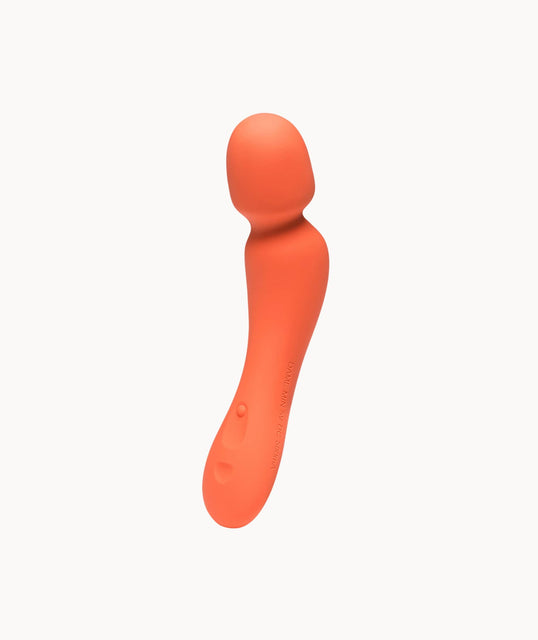
Larger vibrators with broad heads that provide powerful, distributed stimulation. The Dame Min offers wand-style stimulation in a compact size.
Air-Pulse/Suction Toys
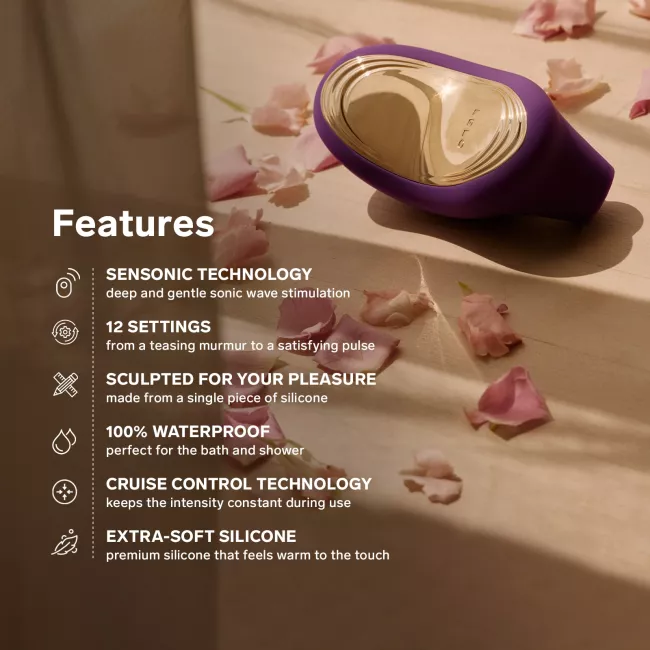
Products like the Lelo Sona 2 Cruise use air pressure or sonic waves to stimulate the clitoris without direct contact. Many women find this sensation unique and highly effective.
Rabbit Vibrators
Combine internal and external stimulation simultaneously. More complex but can be excellent for those who enjoy both.
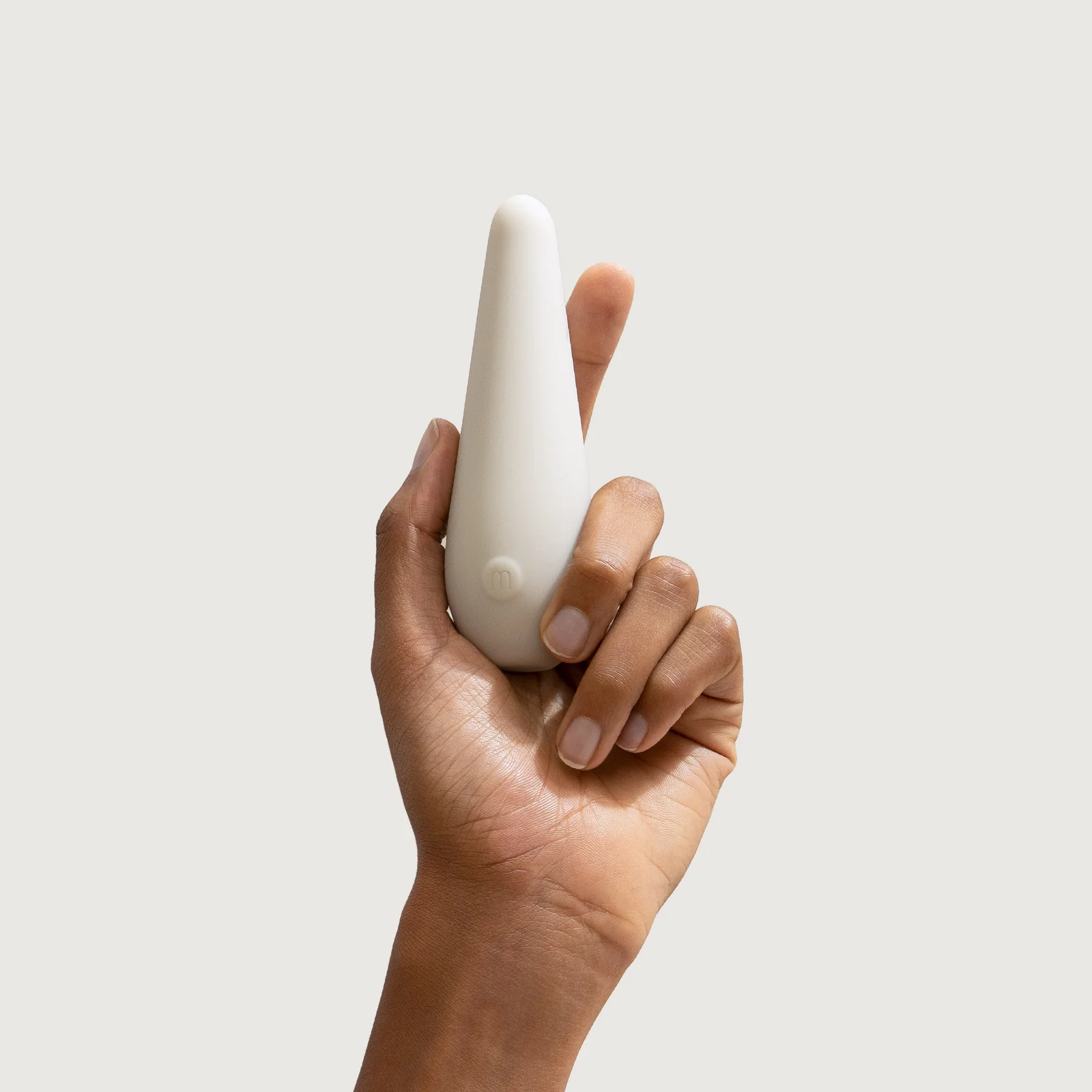
If you're new to toys, start simple. A basic vibrator like the Maude Vibe offers a good introduction without overwhelming complexity.
Clitoral Stimulation During Partnered Sex
Incorporating clitoral stimulation into partnered encounters dramatically increases the likelihood of orgasm. Options include:
Manual Stimulation
Partners can use fingers to stimulate the clitoris during penetration or as a primary activity. Communication about pressure, speed, and technique is key.
Oral Sex
The tongue provides unique, often highly pleasurable stimulation. Techniques vary, but consistency, responsiveness to feedback, and patience tend to matter more than specific moves.
Positions
Some positions facilitate clitoral contact during penetration:
- Coital Alignment Technique (CAT): A modified missionary where the partner shifts higher, maintaining pubic bone contact with the clitoris
- Woman on top: Allows for grinding that stimulates the clitoris
- Side-by-side/spooning: Allows hand access to the clitoris during penetration
Incorporating Toys
Using a vibrator during partnered sex isn't cheating—it's an enhancement. A small bullet between bodies during intercourse can provide the stimulation needed for orgasm. Many couples find toys add to the experience for both partners.
Communicating with Partners
Good partnered sex requires communication. Here's how to talk about what you need:
During the Moment
- Give positive feedback: "That feels amazing" or "Right there"
- Redirect gently: "A little softer" or "Try this instead"
- Use your hand to guide theirs
- Make encouraging sounds—partners appreciate knowing what's working
Outside the Bedroom
- Share what you've learned about your body: "I've discovered I really like..."
- Frame it as exploration together: "I'd love if we tried..."
- Be specific but kind: "The circular motion you do is great—staying with that until I finish helps me orgasm"
- Discuss toys as additions, not replacements: "Using a vibrator together could be fun"
For more on this topic, see our guide on talking to your partner about toys and pleasure.
Common Questions
What if I can't orgasm from clitoral stimulation?
Some women find orgasm elusive regardless of technique. This might involve psychological factors (anxiety, past experiences), physical factors (hormones, medications), or simply needing to explore further to find what works. There's no single "right" way, and orgasm isn't the only measure of pleasurable experience.
Is too much clitoral stimulation harmful?
The clitoris can become temporarily desensitized with intense stimulation, but this reverses within hours or days. There's no evidence of permanent damage from normal use of fingers or vibrators. If you notice decreased sensitivity, simply take a break.
Why does it sometimes feel too intense?
The clitoris is extremely sensitive—that's by design. If direct stimulation feels too intense, try indirect stimulation (through the hood or around rather than on the glans), reduce pressure, or ensure adequate lubrication. Sensitivity varies throughout the arousal cycle and menstrual cycle.
Your Pleasure, Your Journey
Understanding clitoral stimulation is foundational to sexual wellness for women. Whether you're exploring solo or with partners, the key is curiosity, patience, and communication. Your body is capable of tremendous pleasure—learning how to access it is a worthwhile investment in yourself.
Frequently Asked Questions
Why is clitoral stimulation important?
The clitoris contains over 10,000 nerve endings and is the primary source of orgasm for 70-80% of women. It's the most sensitive part of the body.
What are the best techniques?
Circular motions, up-and-down or side-to-side movements, tapping, and varying pressure. Most women prefer indirect stimulation initially. Consistency matters once you find what works.
What toys are best for clitoral stimulation?
Bullet vibrators offer precise stimulation. Wand massagers provide broader coverage. Air-pulse toys use sonic waves for a different sensation. The best choice depends on personal preference.
How do I communicate with a partner about this?
Be direct but positive. Use phrases like "I love when you..." Guide with your hand if helpful. Discuss what works outside of the moment too.
Is it normal to need clitoral stimulation to orgasm?
Absolutely—it's the most common experience. Only 18-25% of women can orgasm from penetration alone. This is biology, not dysfunction.