Body-Safe Sex Toy Materials: What to Look For (and Avoid)
Body-safe sex toy materials are non-porous, non-toxic substances that won't leach harmful chemicals into your body or harbor dangerous bacteria. The safest options include medical-grade silicone, borosilicate glass, stainless steel, and ABS plastic. Materials to avoid include jelly rubber, PVC, latex, and anything containing phthalates—these porous materials can cause irritation, infections, and long-term health concerns.
The intimate products industry remains largely unregulated, which means not every toy on the market is safe for internal use. Understanding materials empowers you to make informed choices and protect your health. This guide breaks down everything you need to know about choosing body-safe products.
What Makes a Material "Body-Safe"?
A material qualifies as body-safe when it meets several important criteria:
- Non-porous: The surface has no microscopic holes where bacteria, mold, or viruses can hide and multiply
- Non-toxic: The material doesn't contain or release harmful chemicals
- Hypoallergenic: Unlikely to cause allergic reactions
- Stable: Doesn't break down, melt, or change composition over time or with use
- Cleanable: Can be thoroughly sanitized between uses
The distinction between porous and non-porous materials is crucial. Porous materials act like a sponge at a microscopic level, absorbing bodily fluids and lubricants where bacteria can thrive even after cleaning. Non-porous materials have a solid surface that can be completely sanitized.
Safe Materials: Your Best Options
Medical-Grade Silicone
Silicone is the gold standard for body-safe sex toys, and for good reason. Medical-grade or platinum-cured silicone is the same material used in surgical implants and baby products. It's completely non-porous, hypoallergenic, and can last for years with proper care.
Advantages of silicone:
- Non-porous and fully sanitizable
- Soft and flexible with varying firmness options
- Retains body heat for a more natural feel
- Durable and long-lasting
- Available in virtually any shape or design
What to look for: Terms like "medical-grade silicone," "platinum-cured silicone," or "100% silicone." Be wary of "silicone blend" or products that don't specify the type of silicone used.
Care considerations: Use only water-based lubricants with silicone toys. Silicone lubricant can degrade the surface over time. For toys without motors, you can boil them for sterilization or run them through a dishwasher.
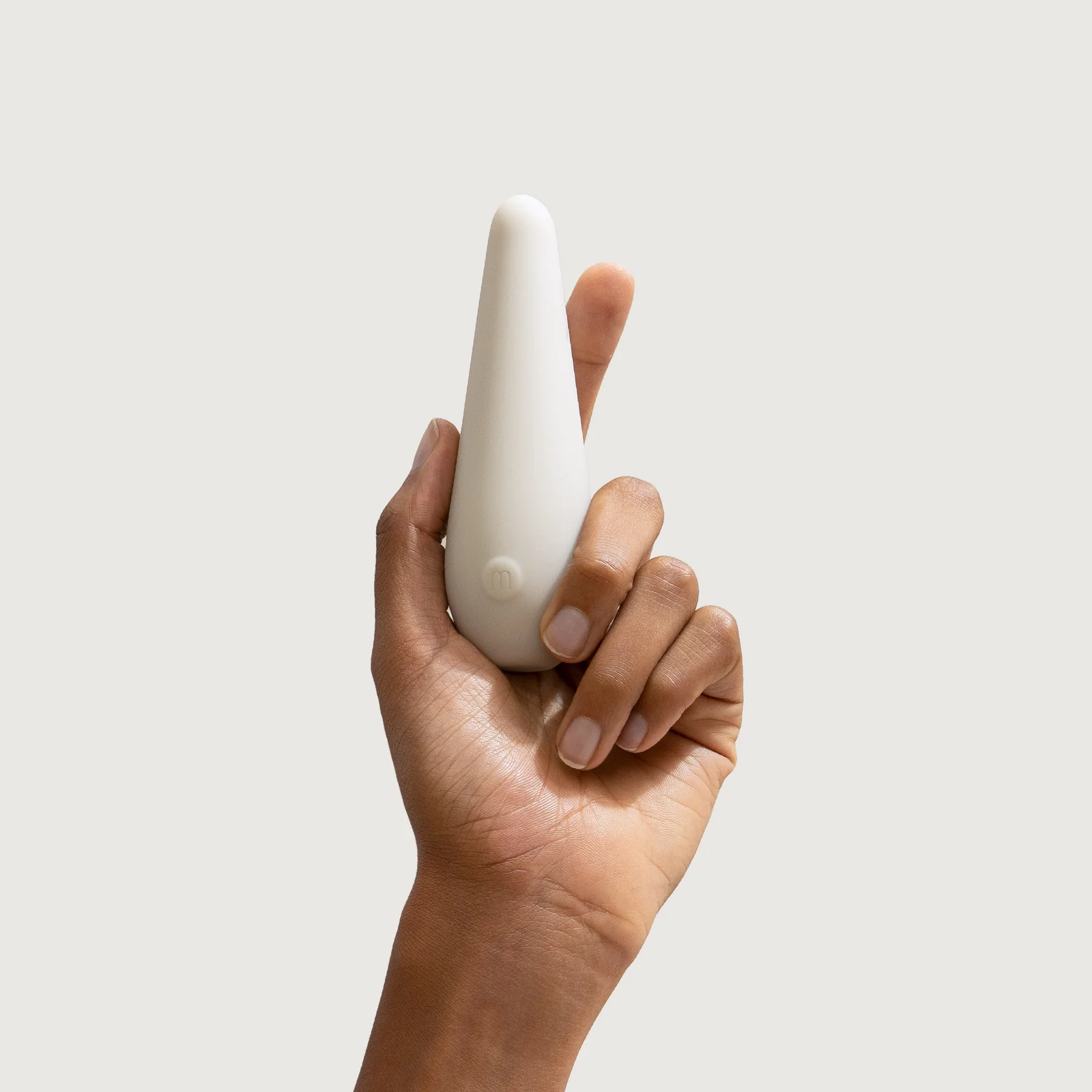
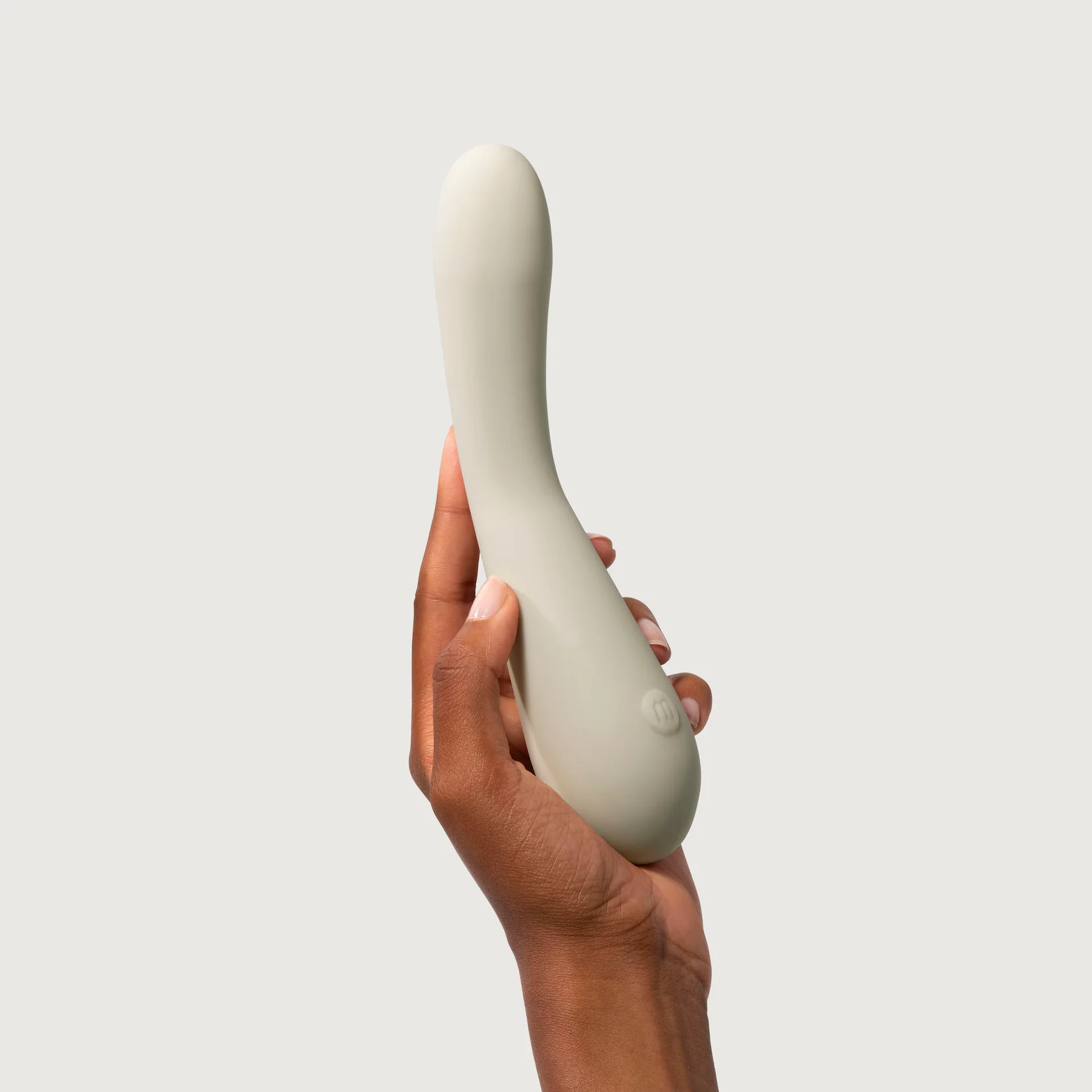
Products like the Maude Vibe and Maude Spot use platinum-grade silicone that meets FDA standards—exactly what you should look for.
Borosilicate Glass
The same material used in Pyrex cookware, borosilicate glass is incredibly body-safe. It's non-porous, completely hypoallergenic, and can be sterilized in boiling water or the dishwasher.
Advantages of glass:
- 100% non-porous and hygienic
- Compatible with any type of lubricant
- Can be heated or cooled for temperature play
- Extremely smooth surface
- Virtually indestructible with normal use
- Easy to clean
What to look for: Borosilicate glass specifically, which is tempered and highly resistant to breakage. Avoid soda-lime glass, which is more fragile.
Care considerations: While durable, glass can chip if dropped on hard surfaces. Inspect before each use and retire any toy with visible damage.
Stainless Steel
Surgical-grade stainless steel is another excellent body-safe option. It's completely non-porous, naturally antibacterial, and incredibly durable.
Advantages of stainless steel:
- Non-porous and hypoallergenic
- Compatible with any lubricant type
- Excellent for temperature play
- Provides firm, weighted stimulation
- Virtually indestructible
- Easy to sterilize
What to look for: 304 or 316 surgical-grade stainless steel. Avoid chrome-plated metals, which can chip and are often applied to unsafe base materials.
ABS Plastic
ABS (Acrylonitrile Butadiene Styrene) is a hard, body-safe plastic commonly used for vibrator handles and non-insertable components. It's the same material used in Lego bricks and many medical devices.
Advantages of ABS plastic:
- Non-porous and easy to clean
- Lightweight and durable
- Firm surface for targeted stimulation
- Often used in waterproof designs
What to look for: Products that specifically mention ABS plastic. This material is typically used for the external components of vibrators rather than insertable portions.
Materials to Avoid: The Red Flags
Unfortunately, many toys on the market—especially those at very low price points—are made from materials that can harm your health. Here's what to watch out for:
Jelly Rubber / "Jelly" Material
Jelly rubber is one of the most problematic materials in the industry. It's porous, often contains phthalates, and frequently gives off a strong chemical smell.
Problems with jelly:
- Highly porous—impossible to fully clean
- Contains phthalates linked to hormonal disruption
- Can cause irritation, burning, and infections
- Degrades over time, becoming sticky and discolored
- "Off-gasses" chemical fumes
PVC (Polyvinyl Chloride)
PVC is technically a hard plastic, but manufacturers add plasticizers (often phthalates) to make it soft enough for sex toys. These plasticizers can leach out over time.
Problems with PVC:
- Requires phthalates to achieve flexibility
- Porous and harbors bacteria
- Can cause skin irritation
- Plasticizers migrate out of material over time
Rubber and Latex
Natural rubber and latex are porous materials that can also trigger allergies in sensitive individuals. Even if you're not allergic, these materials can't be fully sterilized.
Mystery Materials
Be especially cautious of products that:
- Don't list their materials at all
- Use vague terms like "skin-safe," "body-friendly," or "hygienic" without specifics
- Are labeled "for novelty use only"
- Have an unusually low price point
- Emit a strong chemical or plastic smell
Understanding Phthalates: The Hidden Danger
Phthalates are a class of chemicals used to soften plastics. They're found in many everyday products, but their presence in sex toys is particularly concerning because of the intimate contact involved.
Research has linked phthalate exposure to:
- Endocrine (hormonal) disruption
- Reproductive issues
- Developmental problems
- Increased cancer risk
While the EU has banned certain phthalates in sex toys, the U.S. has no such regulations. This makes consumer awareness crucial. Always look for products explicitly labeled "phthalate-free" and stick to materials that don't require plasticizers.
How to Verify a Product Is Body-Safe
Before purchasing any intimate product, do your due diligence:
1. Check the Material Listing
Reputable brands clearly state their materials. Look for specific terms like "100% silicone," "medical-grade silicone," "borosilicate glass," or "stainless steel 316."
2. Research the Brand
Established brands with good reputations have more to lose by using unsafe materials. Read reviews from reputable sources that specifically discuss body safety.
3. Be Suspicious of Low Prices
Quality materials cost money. If a silicone vibrator costs $10, it's almost certainly not real silicone. You don't need to spend a fortune, but extremely cheap products are red flags.
4. The Smell Test
Genuine silicone, glass, and steel have no smell. If a product has a strong chemical, plastic, or "new car" smell, it's likely made from unsafe materials.
5. The Flame Test (for silicone)
Real silicone doesn't burn or melt—it only chars. While we don't recommend lighting your toys on fire, this test can confirm whether a product is genuine silicone if you're suspicious.
Cleaning and Care by Material Type
Proper cleaning extends the life of your toys and protects your health. Here's how to care for each material:
Silicone
- Regular cleaning: Warm water and mild, unscented soap
- Deep cleaning (non-motorized): Boil for 3-5 minutes or run through dishwasher (top rack, no detergent)
- Motorized toys: Wipe with toy cleaner or soapy water; avoid submerging unless fully waterproof
- Storage: Keep separate from other silicone toys to prevent material interaction
Glass
- Regular cleaning: Soap and water, toy cleaner, or sanitizing wipes
- Deep cleaning: Boil, run through dishwasher, or wipe with 10% bleach solution and rinse thoroughly
- Storage: Wrap in soft cloth to prevent scratching; inspect for chips before each use
Stainless Steel
- Regular cleaning: Soap and water or toy cleaner
- Deep cleaning: Boil or run through dishwasher
- Storage: Can be stored with any materials; polish occasionally to maintain shine
ABS Plastic
- Regular cleaning: Warm water and mild soap
- Deep cleaning: Toy cleaner or 10% bleach solution, rinsed thoroughly
- Note: Don't boil—high heat can warp plastic
When to Replace Your Toys
Even body-safe toys don't last forever. Replace your products if you notice:
- Changes in texture (sticky, tacky, or rough surfaces)
- Discoloration that doesn't clean off
- Cracks, chips, or other damage
- Unusual odors
- Decreased performance (for motorized toys)
With proper care, quality silicone toys can last 5-10 years, while glass and steel can last indefinitely.
Making Body-Safe Choices
Investing in body-safe products is an investment in your health and well-being. While quality toys may cost more upfront, they last longer, work better, and—most importantly—won't put your health at risk.
At Pleasure Edit, every product we review uses body-safe materials. Check out our review section to find options that meet our safety standards while delivering on performance and pleasure.
Frequently Asked Questions
What is the safest material for sex toys?
Medical-grade silicone is widely considered the safest and most versatile material for sex toys. It's non-porous, hypoallergenic, easy to clean, and retains body heat well. Other safe options include borosilicate glass, stainless steel, and ABS plastic.
How can I tell if a sex toy is body-safe?
Look for products made from medical-grade or platinum-cured silicone, borosilicate glass, stainless steel, or ABS plastic. Reputable brands clearly list their materials and often provide safety certifications. Avoid products with strong chemical smells, unusually low prices, or vague material descriptions.
What sex toy materials should I avoid?
Avoid toys made from jelly rubber, PVC, latex, or anything containing phthalates. These porous materials can harbor bacteria, may off-gas harmful chemicals, and cannot be fully sterilized.
Can I use silicone lubricant with silicone toys?
Generally, no. Silicone lubricant can degrade silicone toys over time, causing them to become sticky or pitted. Use water-based lubricant with silicone toys.
How do I clean different sex toy materials?
Silicone, glass, and steel toys without motors can be boiled or run through a dishwasher. For motorized toys, wash with warm water and mild soap or a dedicated toy cleaner. Always dry thoroughly before storage.
What does 'non-porous' mean for sex toys?
Non-porous means the material has no microscopic holes where bacteria, mold, or viruses can hide. Non-porous toys can be thoroughly sanitized and are much safer for internal use.